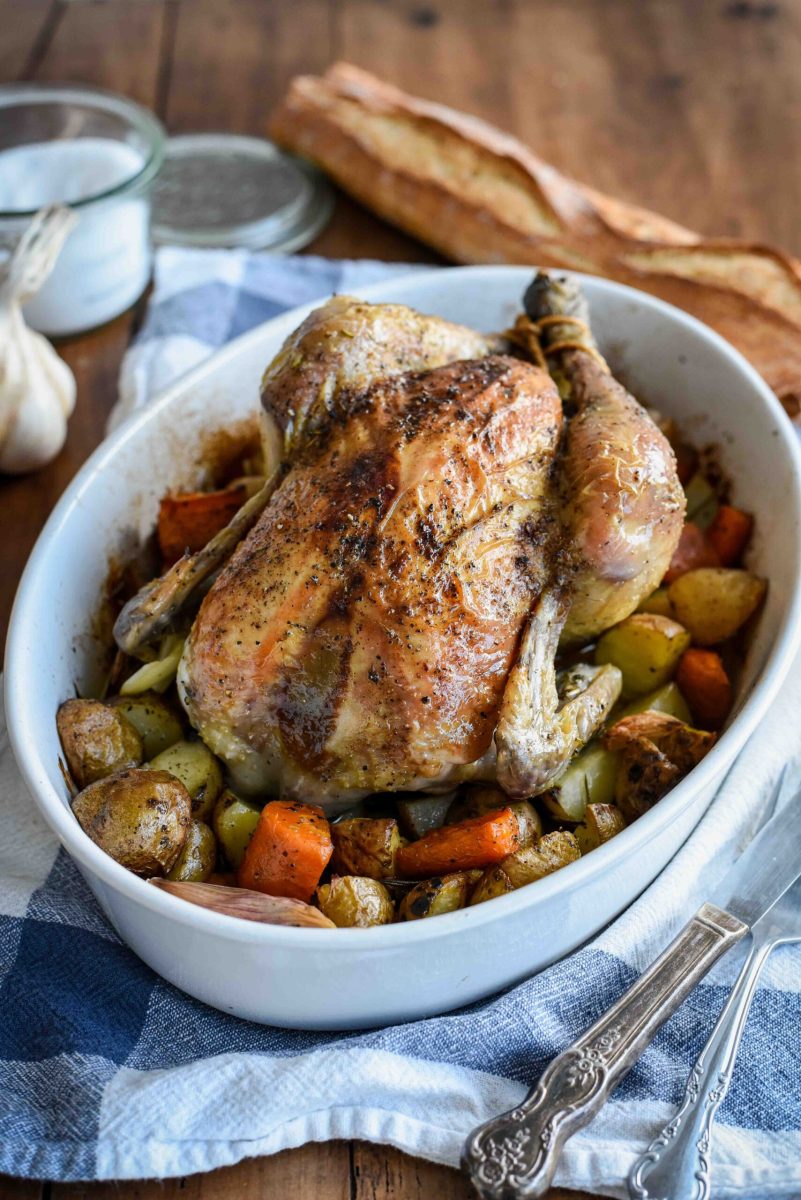
The Allure of Authentic French Roast Chicken Lemon
There are few dishes as universally comforting and exquisitely flavorful as a perfectly roasted chicken. But when you introduce the classic French touch, combined with the vibrant zest and tang of lemon, you elevate a simple meal into an unforgettable culinary experience. The French roast chicken lemon is more than just a meal; it’s a celebration of simple, high-quality ingredients harmonizing to create something truly spectacular. This article will guide you through unlocking the authentic flavors, ensuring your next roast chicken is nothing short of magnificent.
Imagine a whole chicken, golden-brown and glistening, infused with the bright, aromatic essence of lemon, garlic, and herbs. The skin crackles with every bite, revealing succulent, tender meat beneath. This isn't just a fantasy; it's the delicious reality of mastering the perfect French roast chicken with lemon herb butter, a dish that embodies rustic elegance and heartwarming satisfaction. We'll delve into the secrets behind achieving that iconic flavor profile, from selecting the finest ingredients to the critical roasting techniques that make all the difference.
The Heart of French Roast Chicken Lemon: Why Authenticity Matters
At the core of any great French dish lies a reverence for ingredients and a commitment to simple, yet effective, techniques. This philosophy is particularly evident in the preparation of an authentic French roast chicken lemon. It's not about complicated sauces or exotic spices; it's about letting the natural flavors shine through. The authenticity stems from choosing fresh, high-quality poultry and pairing it with aromatic companions like fresh lemons, garlic, and robust herbs.
Why is lemon so crucial in this classic preparation? Beyond its refreshing citrus notes, lemon plays several vital roles. The acidity helps to tenderize the chicken, breaking down muscle fibers and ensuring a remarkably juicy result. When tucked into the cavity or sliced and placed under the skin, the lemon releases its essential oils, infusing the meat from the inside out. This creates a beautifully balanced flavor – cutting through the richness of the chicken and leaving a clean, bright finish on the palate. Furthermore, the lemon zest, often combined with butter or olive oil, contributes to the irresistible golden hue and crispy texture of the skin, a hallmark of any excellent french roast chicken lemon.
Understanding these foundational principles is the first step towards creating a truly authentic dish. It’s about appreciating how each component contributes to the overall symphony of flavors, turning a humble bird into a masterpiece that speaks volumes about French culinary tradition.
Essential Ingredients for Your Perfect French Roast Chicken Lemon
Crafting an exquisite French roast chicken lemon begins with selecting the right components. Quality ingredients are not just a recommendation; they are the bedrock of authentic flavor. Here’s a breakdown of what you'll need and why each element is crucial:
- The Chicken: Opt for a good quality, preferably free-range or organic chicken. Look for a bird weighing between 3-5 pounds. A healthy chicken will have firmer flesh and superior flavor. Ensure it's fresh and has not been pre-brined or injected with solutions, which can alter its natural taste.
- Lemons: This is arguably the star after the chicken itself. Choose fresh, unwaxed, organic lemons if possible, as you'll be using both the juice and the zest, and often placing whole halves inside the cavity. Their vibrant acidity and aromatic oils are indispensable for that signature lemon flavor.
- Garlic: Whole cloves of garlic, lightly smashed or even left unpeeled, add a mellow, sweet depth when roasted. They soften and caramelize beautifully, releasing their aromatic compounds to permeate the chicken.
- Fresh Herbs: Rosemary and thyme are the traditional choices for a French roast chicken lemon. Their earthy, slightly peppery notes complement the lemon and chicken perfectly. A few sprigs tucked into the cavity and under the skin make a significant difference.
- Butter or Olive Oil: Both serve to brown the skin and keep the chicken moist. Unsalted butter, often mixed with herbs and lemon zest, creates an incredibly rich and crispy skin. High-quality extra virgin olive oil offers a slightly lighter, fruitier alternative. Many chefs use a combination for the best of both worlds. For a truly decadent experience, consider infusing your butter with herbs and lemon zest for an unparalleled depth of flavor, as detailed in our guide on Perfect French Roast Chicken with Lemon Herb Butter.
- Salt and Freshly Ground Black Pepper: Simple seasonings are all you need. Coarse sea salt (like kosher or fleur de sel) and freshly cracked black pepper are essential for seasoning the chicken thoroughly, both inside and out. Don't underestimate their power to enhance all the other flavors.
By focusing on these core, high-quality ingredients, you set the stage for a truly unforgettable french roast chicken lemon experience that sings with authentic flavor.
Step-by-Step Mastery: Roasting Your French Roast Chicken Lemon to Perfection
The journey from raw ingredients to a golden, succulent French roast chicken lemon is a rewarding one, and with a few key steps, you can achieve perfection every time. Precision and attention to detail are what elevate a good roast chicken to a truly great one.
Preparation is Key: Setting the Stage
- Pat Dry, Thoroughly: This is arguably the most crucial step for crispy skin. Use paper towels to pat the entire chicken, inside and out, until it is completely dry. Moisture is the enemy of crispy skin.
- Season Generously: Liberally season the cavity with salt and pepper. Then, season the exterior of the chicken all over. Don't be shy; a whole chicken requires a good amount of seasoning.
- Aromatic Infusion: Cut one or two lemons in half or quarters. Stuff them into the chicken cavity along with several sprigs of fresh rosemary and thyme, and a few smashed garlic cloves. This internal aromatherapy infuses the meat with incredible flavor as it roasts.
- Butter Up (or Oil Down): Gently loosen the skin over the breast and thighs with your fingers, being careful not to tear it. Take softened unsalted butter (perhaps mixed with lemon zest, minced garlic, and chopped herbs for extra flavor) and spread it under the skin, directly onto the breast meat. Rub the remaining butter or olive oil generously all over the exterior of the chicken. This layer of fat contributes significantly to the browning and crispiness of the skin. For even more detailed instructions on creating that sublime herb butter, refer to our article on Perfect French Roast Chicken with Lemon Herb Butter.
- Trussing (Optional but Recommended): Trussing helps the chicken cook more evenly and creates a more compact, attractive presentation. Tie the legs together with kitchen twine and tuck the wing tips under the body.
The Roasting Process: Heat and Patience
- Preheat Oven and Pan: Preheat your oven to a high temperature, typically 425-450°F (220-230°C). Place a roasting rack in a sturdy roasting pan. Some chefs even preheat the empty pan in the oven, then carefully place the chicken in it, breast-side up, when ready to roast.
- Initial High Heat Blast: Start by roasting the chicken at the high temperature for 15-20 minutes. This initial blast of heat helps to crisp the skin quickly and seal in juices. This is a critical step for achieving the coveted crispy skin, a topic we explore further in Mastering French Roast Chicken Lemon: Crispy Skin Secrets.
- Lower Temperature for Even Cooking: Reduce the oven temperature to 375-400°F (190-200°C) and continue roasting. For a 3-4 pound chicken, total roasting time is usually about 1 hour to 1 hour 15 minutes. A 5-pound chicken might take 1 hour 30 minutes.
- Basting (Optional): Some chefs baste every 15-20 minutes with pan drippings to encourage even browning and moisten the skin. Others prefer not to open the oven frequently to maintain consistent heat. If you choose to baste, do it quickly.
- Check for Doneness: The most reliable way to check for doneness is with an instant-read meat thermometer. Insert it into the thickest part of the thigh, avoiding the bone. The internal temperature should reach 165°F (74°C). The juices should also run clear when you pierce the thigh.
The Crucial Resting Period
Once cooked, remove the French roast chicken lemon from the oven and transfer it to a cutting board. Tent it loosely with foil and let it rest for at least 10-15 minutes (20 minutes for a larger bird). This resting period allows the juices to redistribute throughout the meat, ensuring every bite is incredibly tender and moist. Skipping this step is a common mistake that leads to dry chicken.
Elevating Your French Roast Chicken Lemon: Tips and Tricks from the Pros
While the basic steps will yield a delicious french roast chicken lemon, incorporating a few expert tips can truly elevate your dish from excellent to extraordinary.
- Consider a Brine: For an exceptionally juicy and flavorful chicken, especially if you're concerned about dryness, consider brining it for 4-12 hours before roasting. A simple brine of water, salt, sugar, and aromatics can transform the texture and infuse extra moisture. Just be sure to pat it very dry again before roasting.
- Use a Roasting Rack: Elevating the chicken on a rack allows air to circulate around the entire bird, promoting even cooking and ensuring crispy skin all around, rather than just on top.
- Don't Overcrowd the Pan: If you're roasting vegetables alongside the chicken, ensure the pan isn't too crowded. Overcrowding can steam the vegetables instead of roasting them, and it can lower the oven temperature around the chicken.
- Harness the Pan Drippings: Those flavorful juices and caramelized bits at the bottom of the roasting pan are liquid gold! Deglaze the pan with a splash of white wine or chicken broth, scrape up all the delicious fond, and create a simple, incredible gravy or jus to serve alongside your french roast chicken lemon. A touch of fresh lemon juice at the end brightens the gravy beautifully.
- Serve with Complementary Sides: Classic accompaniments include roasted potatoes (often cooked in the same pan with the chicken drippings), green beans almondine, a simple green salad with a vinaigrette, or a gratin Dauphinois. The brightness of the lemon chicken pairs wonderfully with rich or earthy sides.
- Leftovers: If you're lucky enough to have leftovers, roasted chicken is fantastic shredded for sandwiches, salads, quesadillas, or even a quick chicken noodle soup. The lemon flavor will still shine through.
Conclusion
Mastering the French roast chicken lemon is a culinary journey that rewards you with an incredibly satisfying and remarkably flavorful meal. By paying attention to quality ingredients, understanding the role of lemon and herbs, and following proven roasting techniques, you can recreate this authentic French classic in your own kitchen. From the first crackle of the golden, crispy skin to the succulent, aromatic meat, every bite is a testament to the power of simplicity and tradition. So gather your ingredients, preheat your oven, and prepare to unlock the true essence of this iconic dish. Bon appétit!
